



The Current Quests for Copernicus’s
Grave:
Doubts, Problems and Perspectives
 |
In 2004–2005 the news went around the world on
the quest for Nicholas Copernicus’s grave in Cathedral in
Frombork (Warmia, Poland). Then in 2006 the identification (with 97%
probability) of this grave was reported. The crucial argument that
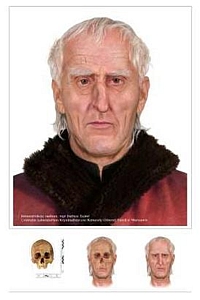
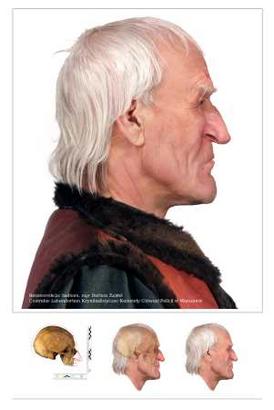
spoke in favour of this identification was an alleged resamblance among
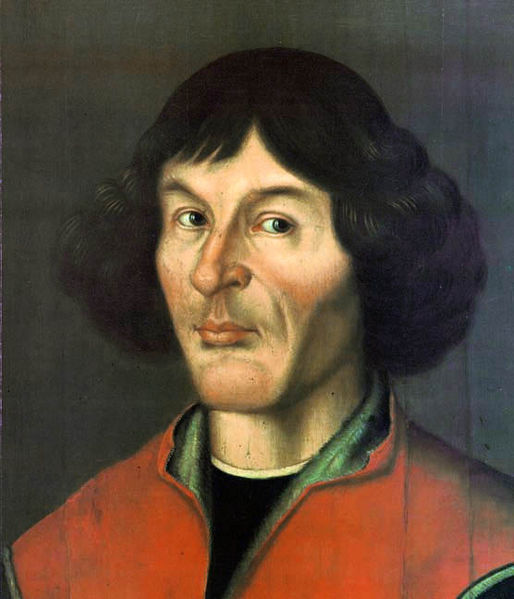
a forensic reconstruction of the face of the skull labeled as 13/05 and
the portrait of Nicolaus Copernicus from Muzeum Okręgowe w
Toruniu.
These studies were continued in 2005–2009, when they were
extended to include genealogical research and DNA analyses. |
 |
 |
Though I am a determined supporter of the quests for Nicholas Coper-nicus’s grave, I take a critic stance with respect to the value of the argu-mentation and empirical evidence presented during these quests. See:
-
The search for the grave of Copernicus. Reflections of advocatus diaboli. Part 1. (In Polish, the first version published on 30.10.2005).
-
The search for the grave of Copernicus. Reflections of advocatus diaboli. Part 2. (In Polish; the first version published on 22.12.2005).
-
On the defectiveness of the argument for the finality of the discovery of the remains of Nicolaus Copernicus. Part 1: Results and interpretation of historical, archaeological, anthropological and anthroposcopic research. (Published in Polish in December 2012; English translation 2015.)
-
On the defectiveness of the argument for the finality of the discovery of the remains of Nicolaus Copernicus. Part 2: Results and interpretation of genealogical, historical and genetic research. (Published in Polish in December 2012; English translation 2015.)
-
(with: Adam Walanus), Potential usefulness of radiocarbon dating for the authentication of Nicolaus Copernicus’s grave. (Published in Polish in December 2012; English translation 2015.)
-
Has the grave of Nicolaus Copernicus been discovered? (Published in Polish in 2020.)
The two articles are the first critic papers in the literature on the theme.
These articles bring new, original and important critical comments on the assessment of the thesis about the discovery of the grave of Nicholas Copernicus and the identification of his alleged remains.
It is worth noting that:
- the author of the article is the only Polish person who holds a doctor degree, a higher one called in Poland “doktor habilitowany” (habilitated doctor), and a title of professor in the field of Copernican studies — see Thomas S. Kuhn and the issue of the Copernican revolution (“Studia Copernicana”, vol. 39 2001), Copernicus's Originality. Towards Integration of Contemporary Copernican Studies(Warsaw–Cracow 2004), and Different faces of Nicholas Copernicus. Meetings with a history of interpretations(Warsaw–Kraków 2009);
- he is also the actual co-author and one of the signatories (on behalf of the Polish Academy of Arts and Sciencs) of the so-called Frombork Declaration to encourage further research and competent popularization of achievements of Nicolaus Copernicus.
|
|